31. Aug 2026
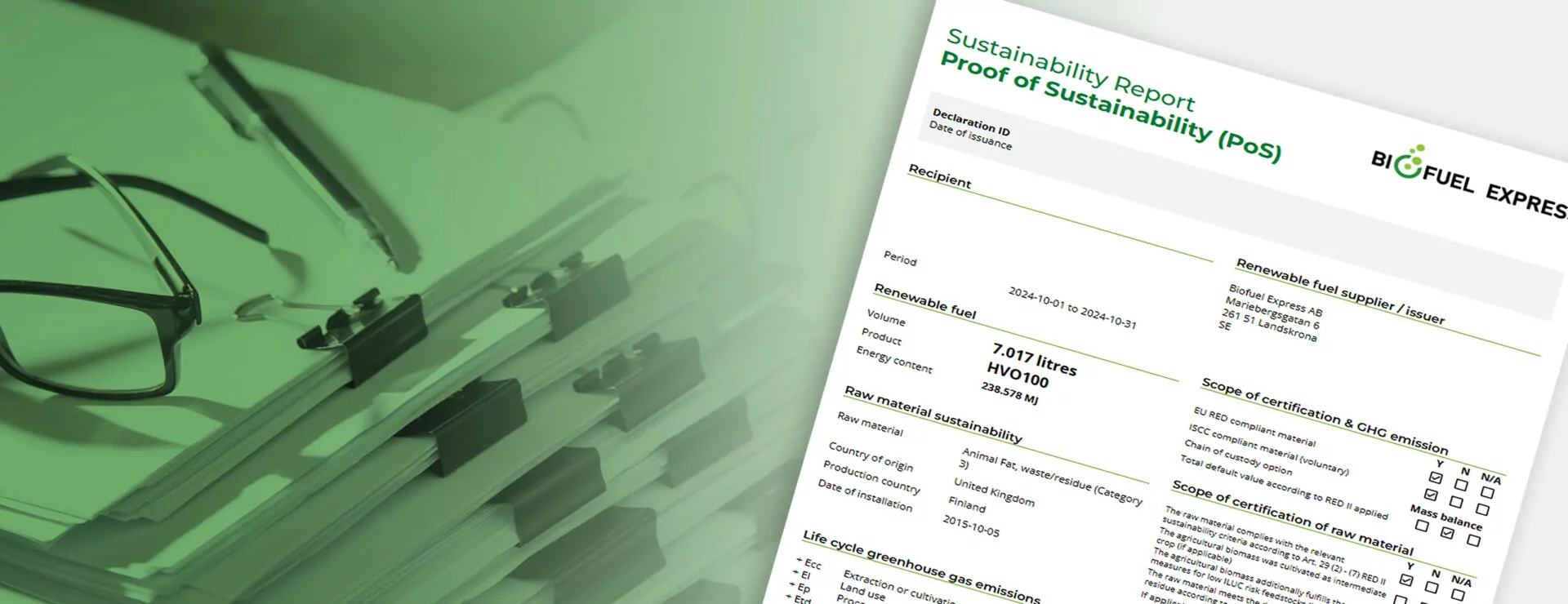
A PoS is a document, issued under a certification scheme such as ISCC, that shows a consignment of biofuel meets the sustainability and greenhouse gas savings criteria of the EU Renewable Energy Directive. In the world of renewable fuels, transparency and traceability are critical, which is why PoS documentation matters.
For fleet operators, logistics providers, and fuel purchasers aiming to reduce emissions and meet compliance goals, PoS is more than just paperwork – it’s the evidence behind the CO2 reduction you report. For the full reporting picture PoS feeds into – Scope 1, 2, and 3 emissions, CSRD, and SBTi – see our complete guide to emissions reporting.
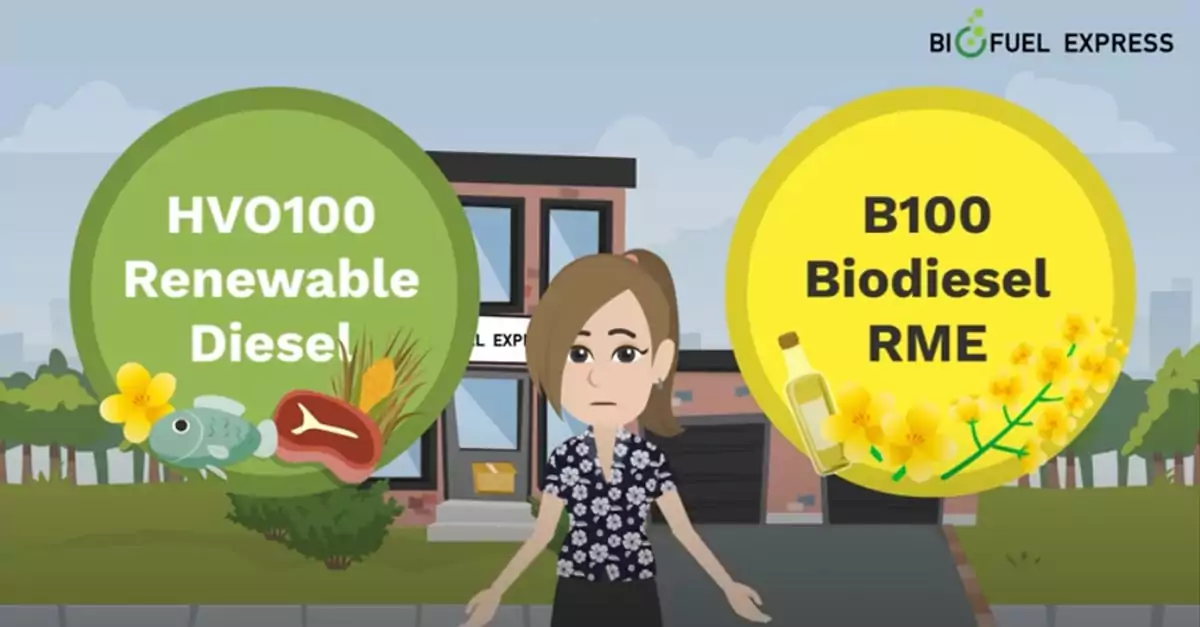
Biofuels such as HVO100 and B100 only count towards EU renewable energy targets when their entire life cycle – from raw material to final use – meets the directive’s sustainability and greenhouse gas savings criteria. PoS documentation serves several important purposes:
In the European Union, biofuels must comply with the Renewable Energy Directive (RED II and III). These directives set strict requirements for:
• Greenhouse gas savings (at least 50%, 60% or 65% vs. fossil fuel, depending on when the production plant started operating)
• Rules on raw-material sourcing (e.g. preference for waste- and residue-based feedstocks)
• Traceability throughout the supply chain
A PoS confirms that the fuel meets these criteria and can be supplemented with information of relevant certification scheme.
Companies increasingly need to document their emissions – both for internal targets and for external stakeholders, such as investors, partners, and public institutions. PoS documents provide the verifiable data needed to:
• Report CO₂ savings
• Track feedstock origin
• Meet ESG and CSR reporting requirements
With growing scrutiny of environmental claims, PoS documentation helps build credibility: customers, partners and regulators can check that the fuel meets the EU criteria, rather than relying on marketing statements.
A Proof of Sustainability document can contain:
• Type of feedstock used (e.g., used cooking oil of vegetable origin, animal fats, rapeseed oil)
• Country of origin
• GHG emission factor
• Volume and delivery details
• Lifecycle CO₂ reduction percentage
This standardised information ensures traceability across the entire biofuel supply chain. To see how the emission factor and saving on a PoS turn into tonnes of CO2e, read how to calculate CO2 emissions from diesel and HVO100.
At Biofuel Express, transparency and emissions reporting are part of our core offering. That’s why every biofuel delivery — whether HVO100 or B100 — is accompanied by Proof of Sustainability documentation.
Customers using our Insight portal get digital access to all PoS documentation directly in their account. Through the platform, you can:
• Download PoS per delivery or per period
• View aggregated CO₂ savings over time
• Filter and export data for use in sustainability reports

This makes it easy to meet both regulatory and internal climate reporting requirements, while maintaining full control and transparency.
Whether you're just starting with renewable fuels or scaling up your fossil-free operations, Biofuel Express makes your CO2 impact measurable. With every delivery backed by PoS and full Insight integration, you can stay compliant, report with confidence, and keep your business on track towards your emissions targets.
"*" indicates required fields