5. Sep 2022
The ETS is a cap-and-trade system where companies must purchase allowances for each tonne of CO₂ they emit. The total number of allowances is capped, decreasing over time to encourage emission reductions. Companies that emit less than their allowances can sell the surplus, while those exceeding their limits must buy additional allowances or face penalties.
Under the Fit for 55 package, the EU aims to cut net greenhouse gas emissions by at least 55% by 2030 compared to 1990 levels (European Climate Law). To meet this goal, the ETS will be expanded to cover emissions from road transport and buildings, creating a new ETS sector often referred to as “ETS2”.
Key features of ETS expansion:
Inclusion of fuel suppliers
Fuel suppliers, rather than individual vehicle operators, will be required to purchase allowances for the emissions associated with the fuels they sell.
This additional cost is expected to be passed down to consumers, meaning higher fuel prices for hauler companies.
Pricing carbon emissions
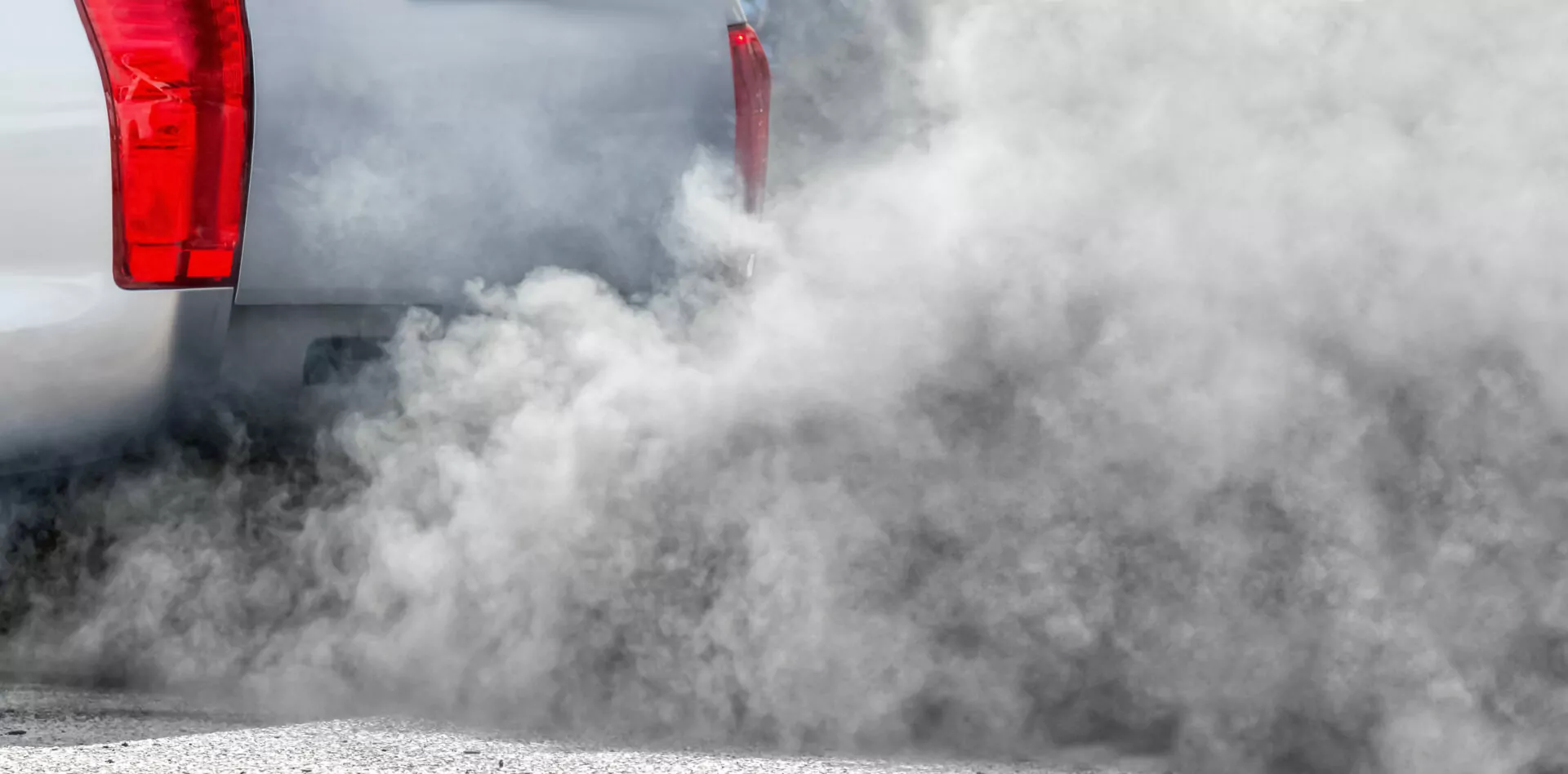
The expansion introduces a carbon price for road transport fuels, making fossil fuels like traditional diesel more expensive and incentivising the use of renewable alternatives.
As an illustration: at €45 per tonne of CO₂ – the price level (in 2020 prices) at which the EU releases extra allowances to dampen price rises – ETS2 would add about 12 euro cents per litre of diesel, based on 2.66 kg CO₂ per litre. The €45 is not a price cap; the actual price will be set by the market.
Timeline: from 2028
ETS2 was originally due to start in 2027, but in March 2026 the EU postponed it by one year to 2028 (Regulation (EU) 2026/667). Fuel suppliers already monitor their emissions from 2025 and report them from 2026. Auctioning of allowances starts in 2028, and the first allowances must be surrendered by 31 May 2029 for 2028 emissions.

Higher fuel costs
The ETS will increase the cost of fossil fuels, as suppliers pass on the expense of purchasing allowances to consumers. This creates an immediate financial incentive to switch to lower-emission fuels.
Pressure to decarbonise supply chains
Businesses with significant transport operations will face pressure to reduce their carbon footprint, particularly Scope 3 emissions, as customers and regulators ask for more transparent emissions data.
Increased operational costs for logistics providers
Since fuel is one of the largest cost factors for haulers, rising fuel prices will directly increase operating costs. This may lead to price increases for goods and services.
While renewable fuels like HVO are widely available, infrastructure for electric or hydrogen-powered heavy vehicles is still underdeveloped in many regions. Higher fuel prices may strain budgets, particularly for businesses operating on thin margins. Managing these costs while remaining competitive will be a key challenge. The introduction of ETS2 adds another layer of regulation for businesses to navigate, requiring greater focus on compliance and reporting.
Larger corporations and supply chain partners are already under pressure to reduce Scope 3 emissions, so they may prefer haulers that can document lower emissions. Transport customers may demand proof of emission reductions to meet their own sustainability targets. The ability to provide CO₂ reduction data through platforms like Biofuel Express Insight will become increasingly important for winning contracts.
Renewable fuels like Hydrotreated Vegetable Oil (HVO) offer an immediate solution for businesses looking to mitigate the impact of ETS expansion:
See how to calculate CO2 emissions from diesel and HVO100.
* Based on 2025 verified delivery data. Actual reduction per delivery ranges from 57% to 121% depending on feedstock composition and certified batch. Calculated per the RED III well-to-wheel life-cycle methodology using ISCC-certified mass balance allocation. Proof of Sustainability (PoS) documentation available on request.
At Biofuel Express, we are committed to helping businesses navigate the challenges and opportunities of the ETS expansion:
Reliable access to renewable fuels
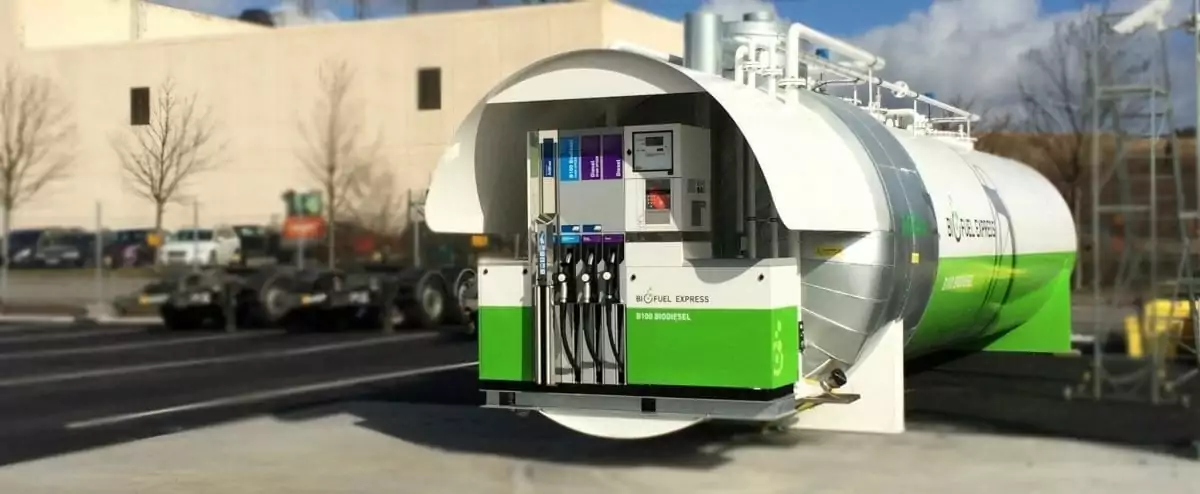
We provide high-quality HVO available across Denmark, Sweden, Norway, Germany, and Austria.
Expert guidance
We offer tailored advice on transitioning to renewable fuels and navigating the complex regulatory landscape.
Tools for emission tracking
Our solution Biofuel Express Insight helps businesses measure and report CO₂ savings, simplifying compliance with current and future legislation.
"*" indicates required fields